
Post
Liquid K2 for Paper Sheets Explained
Apr
When buyers ask about liquid k2 for paper sheets, they usually are not looking for theory. They want to know what makes one sheet hit harder than another, why some batches stay consistent, and what separates a clean, reliable product from weak or unevenly sprayed paper. In this category, those details matter fast.
Paper sheets infused with liquid K2 have become a go-to option for buyers who want something compact, discreet, and easy to handle. They also appeal to people who already know the difference between random off-market stock and a product that was actually prepared with attention to saturation, drying, and blend consistency. If you are shopping in this space, the real question is not whether paper sheets are popular. It is whether the liquid used on them is made and applied the right way.
What liquid K2 for paper sheets actually means
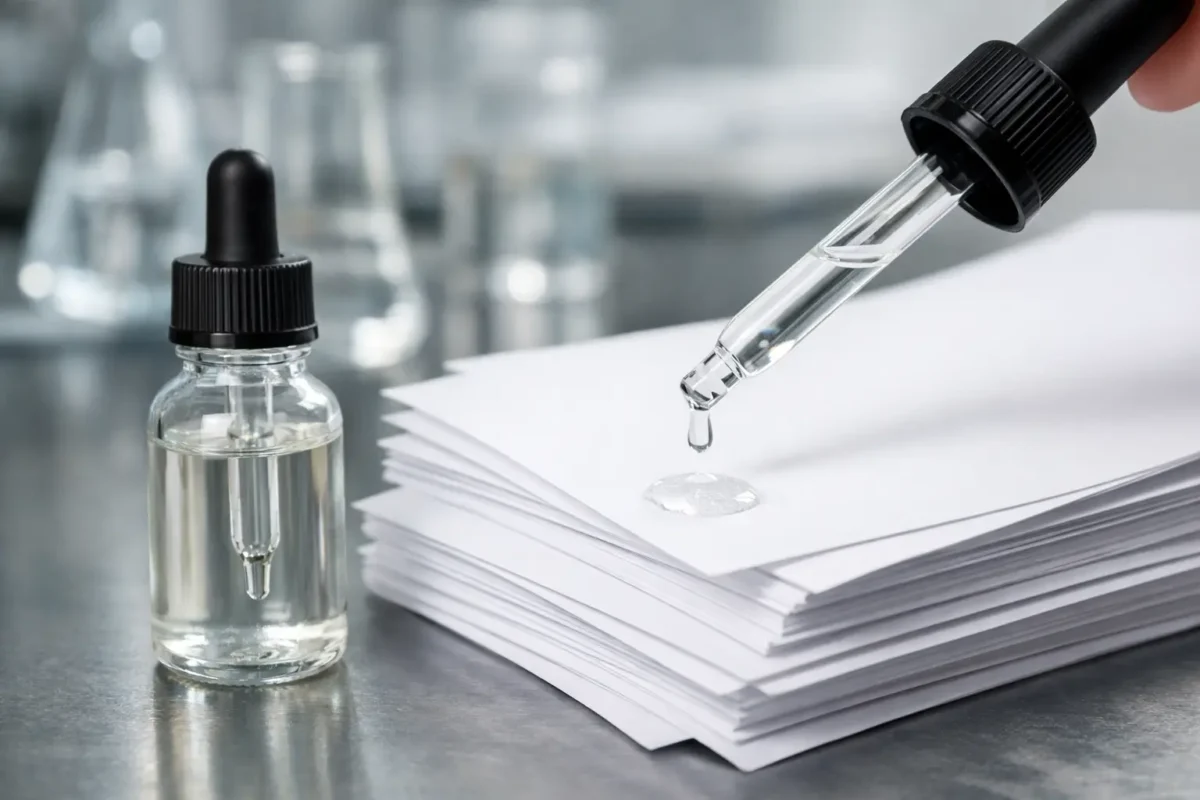
At the simplest level, liquid K2 for paper sheets refers to a synthetic cannabinoid solution designed to be applied across absorbent paper material. That liquid carries the active compounds, and the sheet acts as the delivery surface. Sounds straightforward, but in practice, quality can swing hard depending on the formula, the spray method, and the paper itself.
A strong liquid alone does not guarantee a strong finished sheet. If the application is uneven, one section can be overloaded while another barely carries any effect. If the liquid base is poor, the paper may dry inconsistently, smell off, or lose stability during storage. Serious buyers know that potency is only part of the equation. Even coverage and repeatable results matter just as much.
Why infused paper sheets stay in demand
There is a reason this format keeps moving. Paper sheets are low-profile, easy to package, and simple to store. For many customers, that convenience is a major selling point. They do not want bulky herbal blends or messy handling if they can get a cleaner format with comparable strength.
There is also the issue of discretion. Infused sheets travel and store differently than loose product, which makes them attractive to buyers who value privacy. That does not mean every sheet on the market is worth buying. It means demand stays high because the format solves practical problems for experienced users and first-time buyers alike.
Another reason is scalability. A seller working with quality liquid and a consistent application process can offer individual sheets, packs, and bulk quantities without changing the basic product model. That matters for both retail customers and wholesale buyers who want reliable stock rather than unpredictable one-off batches.
What affects the quality of liquid K2 for paper sheets
The first factor is the liquid blend itself. Strength matters, but stability matters too. A liquid that breaks down fast or separates poorly can create weak spots and inconsistent performance. Buyers looking for premium stock usually want a formula known for uniform application and dependable potency, not just a flashy product name.
The second factor is the carrier solution. This is where a lot of lower-grade product falls apart. If the liquid is too heavy, too thin, or poorly mixed, the paper may absorb it in patches. That can create an uneven sheet with visible concentration points. In a product category built on potency, unevenness is a fast way to lose trust.
The third factor is the paper material. Not every sheet absorbs the same way. Dense paper, thin paper, and different pulp blends all react differently to the same liquid. A good producer matches the liquid to the paper rather than treating every batch like a generic surface.
Then there is drying and curing time. Sheets that are rushed through production can feel damp, smell overly chemical, or lose consistency after packaging. A properly handled batch should feel finished, not hurried.
How strong should infused paper be?
That depends on the buyer. Some customers want maximum intensity and already know the names and blend profiles they prefer. Others want a more manageable product and are trying paper sheets because they see them as easier to control than loose blends. The right strength is not one fixed number. It is a match between the formula and the user.
What experienced buyers usually care about is not just raw potency, but predictable potency. A sheet that feels balanced from edge to edge is worth more than one that is technically stronger but inconsistent. That is especially true for repeat buyers, who are not interested in gambling on each order.
For sellers, this is where trust gets built. Bold claims are everywhere in this niche. Consistency is what keeps customers coming back.
What smart buyers look for before ordering
A serious buyer usually checks a few things right away. Product presentation matters, because it often tells you whether the seller actually specializes in the category or is just moving random inventory. Clear product descriptions, batch consistency claims, and a focused lineup are stronger signals than vague hype alone.
Discreet shipping is another major factor. In this space, buyers want privacy built into the order process, not treated like an afterthought. Secure checkout, dependable packaging, and straightforward fulfillment language make a difference because they reduce friction before the order is even placed.
Bulk options also matter more than many general retailers realize. Some customers want a single pack. Others want repeat supply or larger volume pricing. A source that can handle both without looking stretched thin is usually more attractive than one that only looks set up for casual one-item sales.
Liquid K2 for paper sheets vs other formats
Paper sheets are not automatically better than every other format, but they do hit a sweet spot for a lot of buyers. Compared with herbal incense blends, they are often easier to store and simpler to package discreetly. Compared with bottled liquid, they remove the need for self-application, which can be a dealbreaker for buyers who do not want the mess or inconsistency of doing it themselves.
That said, bottled liquid still has a place. Some buyers want direct control over application, especially if they are purchasing in bulk or preparing larger runs. Herbal blends also remain popular with customers who prefer a more traditional smoking product. The best format depends on whether the priority is convenience, customization, or ready-to-use strength.
For buyers who want a practical middle ground, infused sheets tend to stand out. They are compact, simple, and category-specific without demanding extra prep.
Why consistency is the real selling point
In this market, almost every shop talks about potency. Far fewer can build confidence around consistency. That is where the difference between ordinary stock and premium inventory starts to show.
Consistent liquid application means customers know what they are buying from one order to the next. Consistent sourcing means product names and blend lines actually mean something over time. Consistent fulfillment means buyers can order without wondering whether the next shipment will look completely different from the last one.
That is also why specialized stores tend to outperform generic smoke shops in this niche. A focused seller is more likely to understand the difference between moving product and maintaining a category standard. At a shop like DOPE SPICE SHOP, that specialized focus is part of the appeal. Buyers want selection, but they also want the confidence that the store actually knows the lane it is operating in.
Red flags buyers should not ignore
If a product listing tells you almost nothing beyond “strong” and “premium,” that is not a great sign. The same goes for sellers with no real category depth, no obvious bulk capability, and no reassurance around checkout or shipping. In a niche like this, thin presentation usually points to thin reliability.
Another warning sign is when a seller seems to chase every possible audience at once. Buyers looking for liquid K2 paper products usually prefer a source that speaks directly to that market and stocks accordingly. A store that understands infused sheets, liquid blends, and repeat ordering patterns will usually feel more dependable than one that treats the category like an afterthought.
Price can also be misleading. The cheapest option is not always a value if the sheet quality is weak, the application is uneven, or the order process feels risky. A lot of customers would rather pay for reliability than waste time replacing bad stock.
What makes a source worth trusting
A trusted source in this niche usually gets the basics right without making the buyer work for reassurance. The catalog is clear. The product range is deep. The language around potency, consistency, and shipping is direct. The store looks built for this category, not patched together around it.
That matters whether you are buying one pack or ordering larger volume. Retail buyers want fast, discreet convenience. Bulk buyers want stable supply and a seller that can keep up. The strongest stores understand both and build their offer around that reality.
If you are shopping for liquid k2 for paper sheets, the smartest move is to think beyond hype and focus on what holds up order after order. A strong sheet gets attention once. A consistent one earns the reorder.
