
Post
DMT Carts vs Vape Juice: What Sets Them Apart
Apr
Some products look similar on a shelf and still belong in completely different lanes once you actually use them. That is exactly the issue with dmt carts vs vape juice. Both can sit in a vape setup, both come in liquid form, and both get talk about in the same circle, but the overlap mostly stops there.
If you want to buy for effect, convenience, and device compatibility, treating them like interchangeable products is where people make bad calls. One is built around a highly specific psychoactive experience. The other is usually designe for routine vaping, flavor, nicotine delivery, or general cloud production depending on the formula. The hardware may look familiar, but the purpose, strength, and user expectations are not the same.
DMT carts vs vape juice: the core difference
The cleanest way to frame dmt carts vs vape juice is this: a DMT cart is typically a prefill cartridge made for vaporizing DMT-infuse liquid, while vape juice is a much broader category of e-liquid use in standard vaping device. That sounds simple, but the real difference is in concentration, intend use, and how the formula behaves inside the device.
Cartridge is usually about direct effect delivery. Buyers in this lane are not shopping for casual all-day puffs or dessert flavor profile. They are looking for a product that is ready to use, measure for a compatible cart setup, and formulate for a specific kind of session. In that market, consistency matters more than novelty. If the mix is weak, uneven, or unstable, the product misses the point.
Vape juice is broader and more mainstream. It may contain nicotine, cannabinoids, flavoring blends, or no active ingredient beyond the base liquid and additives. Some people use it recreationally, others habitually. It is usually sold with more emphasis on flavor, throat hit, VG/PG ratio, and cloud behavior than on short-session intensity.
Why the confusion happens | dmt carts vs vape juice
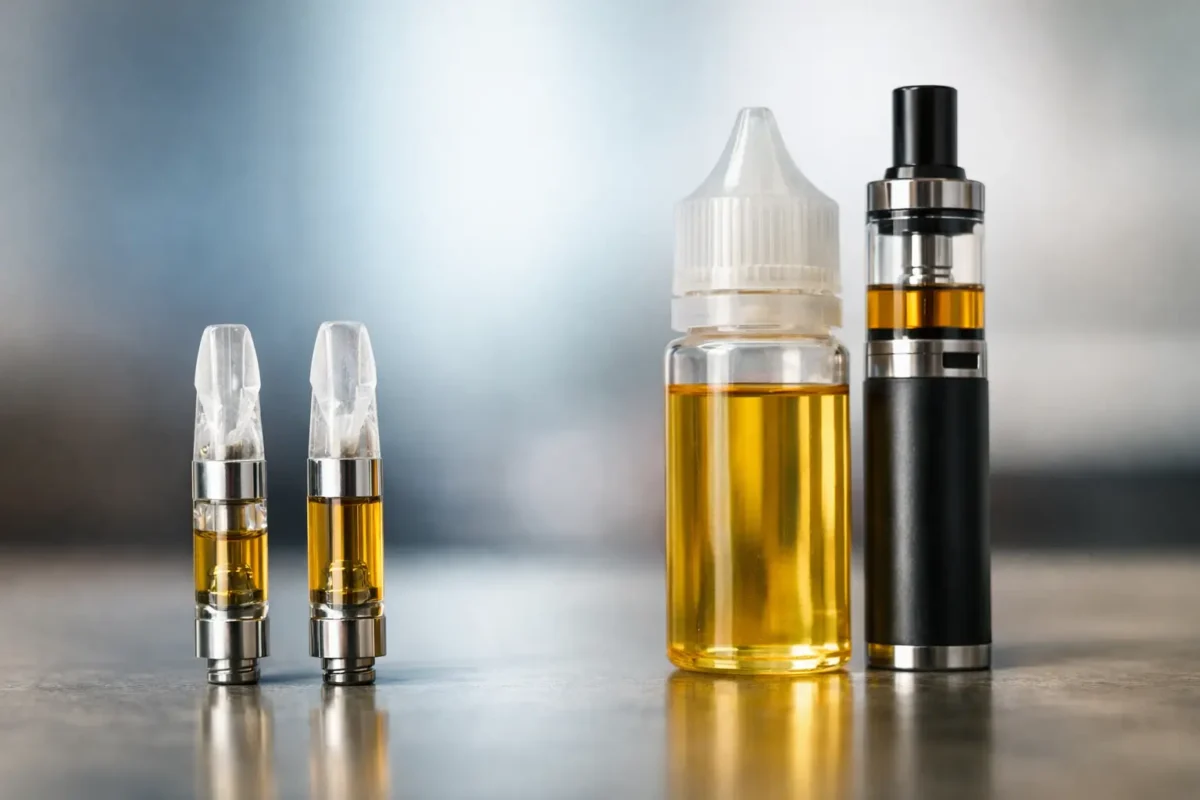
The confusion usually starts with appearance. A cartridge filled with amber or clear liquid can look a lot like any other vape product to someone who is new to the category. Add in similar 510-thread batteries, disposable pens, and online product photos, and it is easy to assume everything works the same way.
It does not. A prefilled DMT cart is generally a specialize product with a narrower use case. Standard vape juice is flexible and often made for repeated, casual use over time. Even when the liquids share carrier ingredients, the expect effect and dosing pattern are different.
This matters because buyers who understand the category want a setup that performs predictably. Nobody wants to waste money on the wrong hardware, overload a coil, or buy a product that does not match the session they actually want.
How DMT carts are typically used | dmt carts vs vape juice
A DMT cart is usually built for convenience. Instead of handling raw materials, mixing ratios, or dialing in a custom fill, the user gets a cartridge that is already prepared for a compatible battery. That is a big part of the appeal. It cuts down the guesswork and keeps the process more discreet.
For experience buyers, convenience is not just about speed. It is about consistency. A reliable cartridge should pull evenly, avoid clogging, and deliver the intended vapor without requiring a bunch of tinkering. In a category where performance matters fast, a weak or poorly filled cart stands out immediately.
Another factor is intensity. DMT carts are not usually treated like a casual chain-vape product. They are generally approach with more intention, shorter sessions, and closer attention to battery voltage and draw style. That alone separates them from the way most buyers use standard vape juice.
How vape juice fits into the picture | dmt carts vs vape juice
Vape juice covers a huge range. Some blends are nicotine-based. Some are zero-nicotine. Some are made for flavor chasing, while others are built around thicker clouds or smoother throat hit. In adjacent smoke-shop categories, you will also see specialty liquids that sit outside standard convenience-store vaping.
That broader category means vape juice is usually more customizable. Users can pick bottle sizes, strengths, flavor lines, and devices ranging from small pod systems to box mods and sub-ohm tanks. It is less about one narrow outcome and more about ongoing use.
That flexibility is why standard vape juice should not be confused with prefilled psychoactive carts. Even if both products are vaporize, the buying logic is different. One is often a routine refill product. The other is more often a purpose-built cartridge for a very specific effect profile.
Device compatibility is not a small detail
This is where a lot of buyers either save themselves a headache or create one. DMT carts are usually sold in cartridge format, often for standard 510-thread batteries. Vape juice, by contrast, is usually meant to be poured into refillable tanks, pods, or mods depending on the formula.
That means the hardware question comes first. If you try to use standard bottled vape juice like a cart product, or assume every liquid belongs in every device, performance drops fast. You can get leaking, burnt coils, weak pulls, clogging, or no usable result at all.
Voltage matters too. Many cartridge users prefer lower, controlled heat to avoid scorching the contents. A high-powered device that works fine with ordinary vape juice may be a bad fit for a specialized cart. Buyers who already know their hardware tend to get better results because they match the liquid to the device instead of forcing one setup to do everything.
Potency and session style | dmt carts vs vape juice
The biggest practical difference between dmt carts vs vape juice is how people approach the session. Standard vape juice is usually used repeatedly and more casually. People take a few hits, set the device down, pick it back up later, and keep going. That rhythm is normal for nicotine and flavor-based e-liquids.
DMT carts usually live in a different lane. The expectation is not all-day vaping. It is a shorter, more deliberate use pattern where concentration and effect matter more than volume. Because of that, quality control becomes a bigger deal. A cart that is inconsistent from one draw to the next creates a completely different user experience than a stable, well-formulated cartridge. dmt carts vs vape juice
This is also why serious buyers pay attention to sourcing. In niche smoke-shop categories, the difference between premium and random stock is not marketing fluff. Fill quality, hardware quality, and formula consistency can decide whether a cart performs like it should or turns into a clogged, underwhelming mess.
Which one makes more sense for you?
It depends on what you are actually trying to buy.
If you want a broad, everyday vaping product with refill flexibility, flavor options, and routine device use, vape juice is the better fit. If you want a specialized prefilled cartridge built for direct use and a specific high-intensity purpose, that points toward a DMT cart.
The mistake is shopping by appearance instead of function. A lot of buyers see liquid plus battery and assume the rest will sort itself out. It will not. The right choice comes down to your device, your tolerance for setup work, and the type of experience you expect from the product.
For buyers who care about discreet ordering and category-specific inventory, a specialist store matters more than a generic vape seller. A niche-focuse shop is more likely to stock compatible hardware, keep product descriptions tighter, and understand that experienced customers are not looking for vague promises. They want potent, consistent products that arrive discreetly and perform the way they were advertised.
What to watch before you buy | dmt carts vs vape juice
The smartest move is to verify what format you are getting. Is it a prefilled cartridge or a bottled liquid? Is the product meant for a 510 battery, a pod, or a refillable tank? Is the seller describing the formula clearly, or hiding behind buzzwords?
You should also look at product consistency claims with a sharp eye. In this category, buyers want strong and dependable, but they also want the product to be honest about what it is. A premium listing should tell you enough to understand the format, intended use, and hardware match without forcing you to guess.
That is one reason establish niche retailers keep winning repeat customers. When the catalog is built around specialize products instead of generic vape traffic, it is easier to shop with confidence. If a store like DOPE SPICE SHOP is speaking directly to this market, the real advantage is not hype alone. It is knowing the difference between products that look similar online and products that serve completely different purpose once they are in your hand. dmt carts vs vape juice
The best buy is usually the one that fits your setup and your expectations on the first order, because in this space, clarity beats trial and error every time.
